The Essential Guide to Visiting Barcelona
So you’re thinking about Barcelona? Smart choice. This city’s got everything – mind-blowing architecture, beaches you can actually swim at, food that’ll ruin you for tapas anywhere else, and enough Gothic alleyways to make you feel like you’ve time-traveled. Let me walk you through everything you need to know to make your Barcelona trip absolutely epic.
Best Time to Visit Barcelona
Here’s the deal: Barcelona’s pretty great year-round, but timing matters if you want to avoid the tourist tsunami or save some cash.
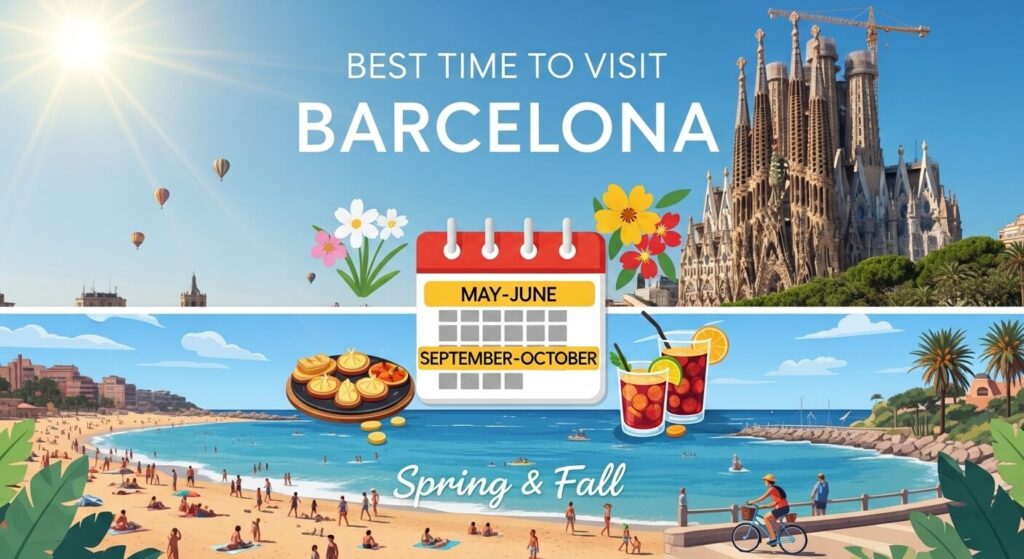
Spring (April-May) is honestly perfect. The weather’s sitting around 18-22°C, flowers are everywhere, and the crowds haven’t hit critical mass yet. You’ll pay mid-range prices and actually be able to move through Park Güell without getting elbowed.
Summer (June-August) is peak chaos. It’s hot (like 28-30°C hot), the beaches are packed, and everything costs more. But if you’re all about that beach life and don’t mind sharing it with half of Europe, go for it. Just book everything way in advance.
Fall (September-October) is the secret weapon. Still warm enough to swim, summer crowds are thinning out, and prices start dropping. September’s actually warmer than May, but October can get rainy – pack a light jacket.
Winter (November-March) is for budget travelers and people who hate crowds. It’s mild (10-15°C), museums are peaceful, and hotels are dirt cheap. Yeah, you can’t beach it, but you can actually see the Sagrada Família without a million people in your photos.
Where to Stay in Barcelona
Picking the right neighborhood makes a huge difference. Here’s the breakdown:
Gothic Quarter (Barri Gòtic) is all about that medieval vibe. Narrow streets, random Roman walls, and you can stumble to most major sights. Budget hostels and mid-range hotels dominate here. Warning: it gets loud at night, and those charming narrow streets mean tiny hotel rooms.
El Born is the cool kid of neighborhoods. Artsy, great food scene, and the Santa Maria del Mar church is stunning. Slightly pricier than the Gothic Quarter, but worth it if you want character without the tourist trap feeling.
Eixample is where you go for space and Gaudí buildings on every corner. The grid layout means you won’t get lost (refreshing after the Gothic maze), and you’ve got everything from hostels to fancy hotels. L’Eixample is perfect if you’re into architecture and actual room to breathe.
Gràcia is the local’s neighborhood. More residential, cheaper, and packed with authentic cafés and squares where actual Barcelona folks hang out. You’ll need the metro to reach big sights, but it’s worth it for the real Barcelona feel.
Top Barcelona Attractions
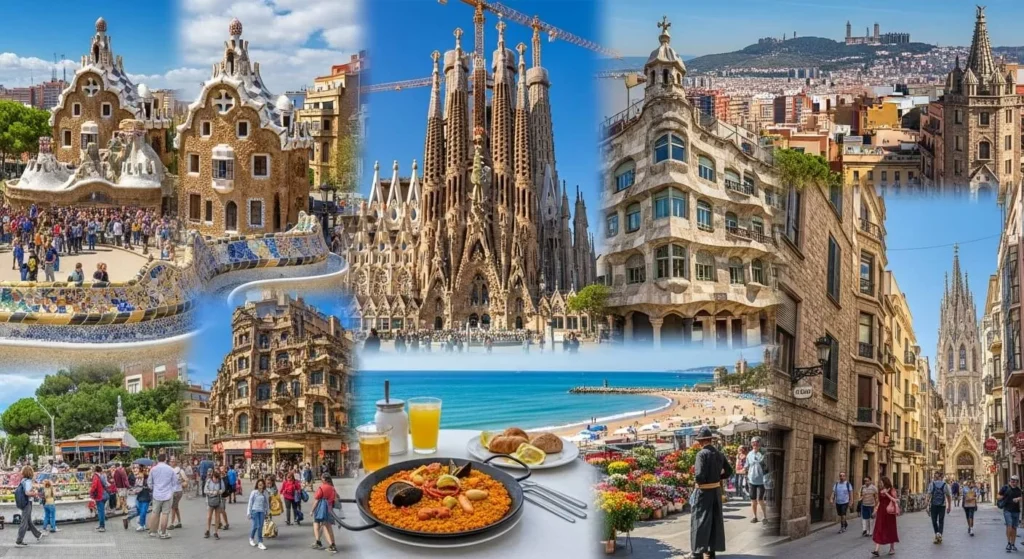
Gaudí’s Masterpieces
Look, you can’t come to Barcelona and skip Gaudí. The guy was either a genius or completely bonkers – probably both.
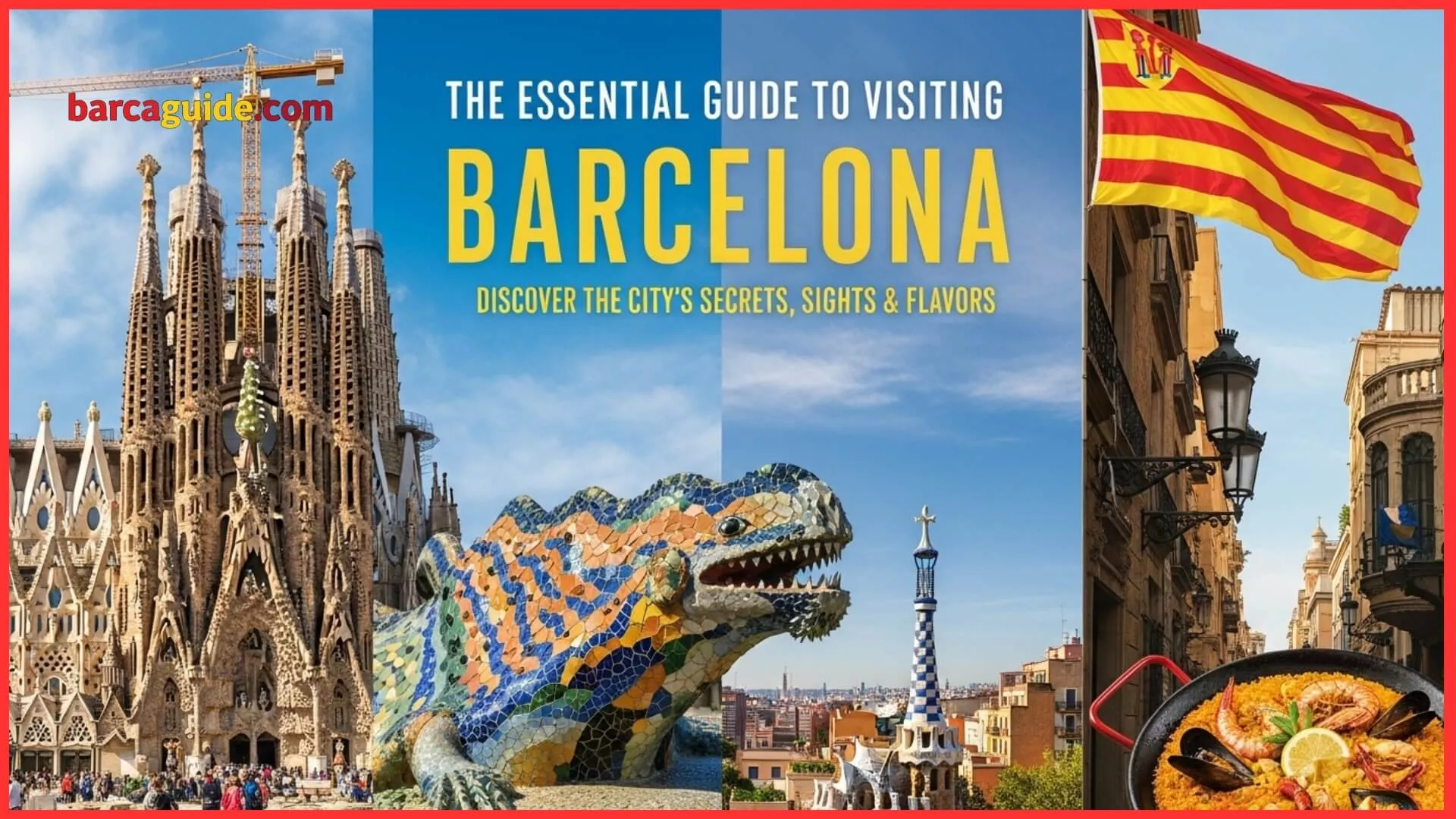
Sagrada Família is the big one. This church has been under construction since 1882 and still isn’t done (classic Spanish timing). Book tickets online weeks in advance – seriously, they sell out. Go early morning or late afternoon for better light and fewer people. The stained glass inside is absolutely insane when the sun hits it. Budget 2-3 hours and spring for the tower access if you’re not scared of heights.
Park Güell used to be free, but now they charge and limit visitors (thanks, overtourism). Book timed entry tickets online. The mosaic dragon and wavy benches are Instagram gold, but honestly, the best part is the views over the city. Go in the morning before it gets too hot.
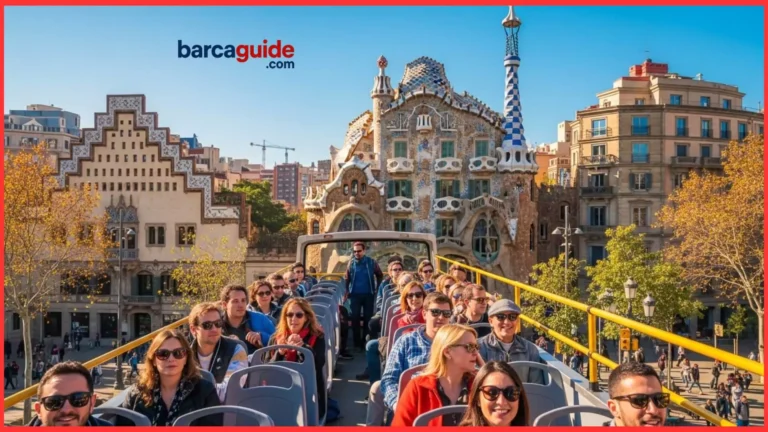
Casa Batlló and Casa Milà (La Pedrera) are both on Passeig de Gràcia. They’re pricey to enter (€25-35 each), but the AR guides are actually cool. Pick one if you’re on a budget – I’d go with Casa Batlló for the wow factor.
Historic Neighborhoods
Gothic Quarter is where you’ll get delightfully lost. The Barcelona Cathedral is free to visit (small fee for the rooftop), and wandering the medieval streets costs nothing. Plaça Reial is gorgeous but touristy – grab a drink, take your pics, then move on.
El Born has the Santa Maria del Mar church (way less crowded than the Cathedral), the Picasso Museum, and the Born Cultural Center built over medieval ruins. The vibe here is just cooler than the Gothic Quarter.
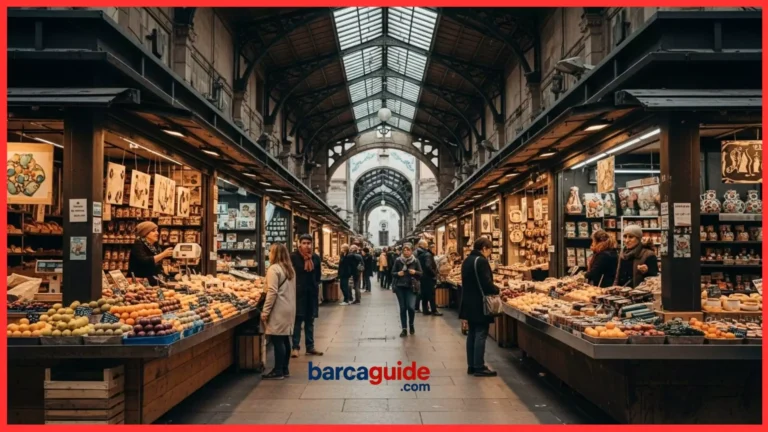
Las Ramblas is the famous tree-lined boulevard everyone talks about. Yeah, it’s touristy and full of pickpockets, but walking it once is kinda mandatory. Hit the Boqueria Market for lunch (avoid the tourist traps at the front, go deeper in), then escape to the side streets.
Museums and Culture
Picasso Museum is a must if you’re into art. It’s housed in medieval palaces and shows his early work. Book online, go Tuesday-Thursday for smaller crowds.
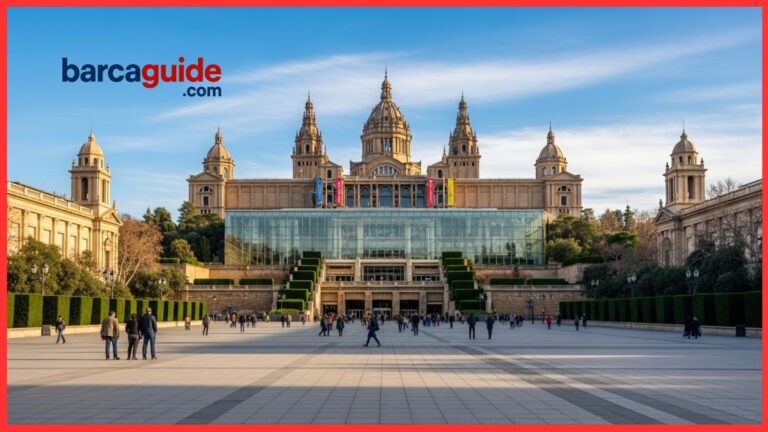
Museu Nacional d’Art de Catalunya (MNAC) sits on Montjuïc hill with killer views. The Romanesque collection is world-class, and you can catch the Magic Fountain show outside in the evening (free!).
Fundació Joan Miró is perfect if you need a break from crowds. Quirky art, peaceful setting, and nobody’s shoving you.
Barcelona Food and Dining

Okay, let’s talk about why you’re really here – the food.
Tapas culture is life in Barcelona. Forget dinner before 9 pm – locals eat late. Hit up places in El Born or Gràcia for authentic spots. La Pepita, Cal Pep, and Cervecería Catalana are solid choices. Expect to pay €3-6 per tapa.
Must-try dishes: Patatas bravas (fried potatoes with spicy sauce), pan con tomate (tomato bread that’s way better than it sounds), jamón ibérico (splurge on the good stuff), croquetas, and anything with gambas (prawns). For something heavier, try fideuà (like paella but with noodles).
Vermouth time (vermut in Catalan) is a whole thing here. On Sunday afternoons, locals do vermouth and tapas. When in Rome, right?
Markets are where it’s at. Boqueria is famous, but La Concepció and Santa Caterina are more local. Grab breakfast at a market bar – coffee and a croissant for like €3.
Skip the paella on Las Ramblas. Just… trust me. If you want good paella, head to Barceloneta (beach area) or ask locals for recs.
Getting Around Barcelona
Barcelona’s super easy to navigate once you figure out the system.
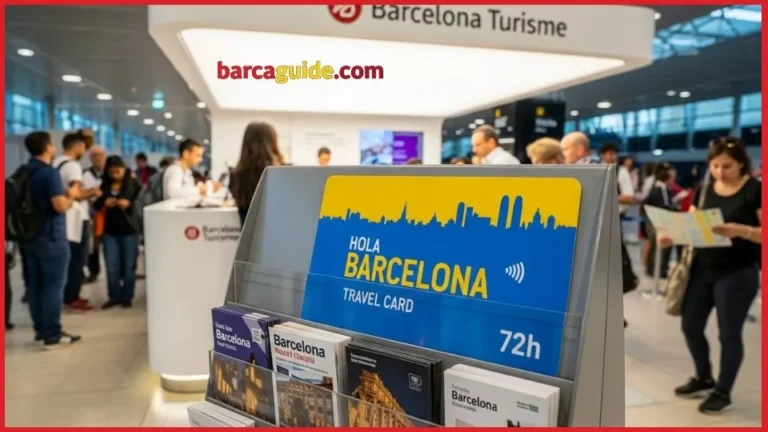
Metro is your best friend. Grab a T-Casual card (€12.15 for 10 rides) or Hola Barcelona card (unlimited rides for 2-5 days, €17-40). Metro runs until midnight weekdays, 2 am Fridays, and 24/7 Saturdays.
Walking is honestly the best way to see the city. Gothic Quarter to Barceloneta is maybe 30 minutes on foot, and you’ll stumble onto cool stuff along the way.
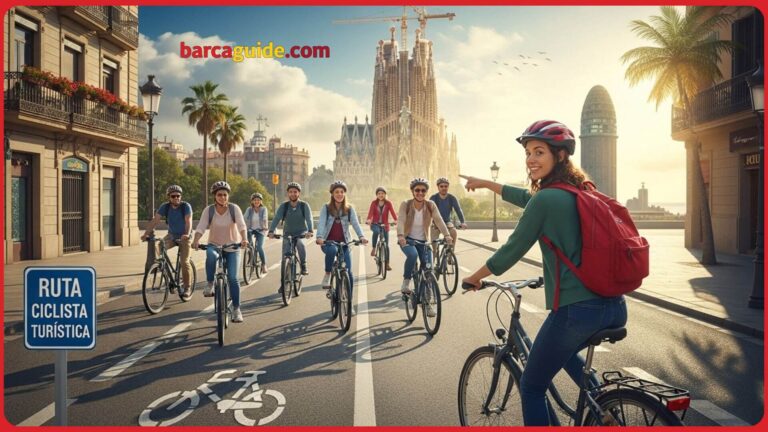
Bikes are everywhere. Bicing is for residents, but tourist rental shops are all over. Just watch out – some streets are cobblestone nightmares on two wheels.
The bus is great for getting to Montjuïc or Park Güell. The T-Casual card works here, too.
Taxis and Uber exist, but aren’t cheap. From the airport to the city center is €25-35 in a taxi, €50+ for Uber.
Day Trips from Barcelona
Montserrat is the iconic mountain monastery about an hour away. Take the train from Plaça Espanya, then the cable car or rack railway up. The views are mental, and the basilica is beautiful. Go early to avoid crowds and maybe catch the boys’ choir (1 pm weekdays).
Costa Brava beaches are where locals go to escape the city. Tossa de Mar and Cadaqués are stunning – medieval villages meeting turquoise water. Rent a car or take a bus (slower but doable).
Girona is a perfectly preserved medieval town 40 minutes by train. Walk the ancient walls, get lost in the Jewish Quarter, and eat better (cheaper) than in Barcelona. Game of Thrones filmed here, if you’re into that.
Practical Travel Tips
Entry requirements: EU citizens just need an ID. Everyone else needs a passport valid 6 months beyond your stay. Check if you need a visa – most tourists get a 90-day visa-free in the Schengen zone.
Money stuff: Spain uses euros. Cards work everywhere in Barcelona, but carry some cash for small places and markets. ATMs are everywhere – avoid the “independent” ones charging crazy fees.
Language: Official languages are Catalan and Spanish. Most people in tourism speak English, but learning “hola,” “gràcies” (thank you in Catalan), and “la cuenta, por favor” (the bill, please) will earn you smiles.
Safety: Barcelona’s generally safe, but pickpockets are Olympic-level here. Seriously. Keep valuables in front pockets, don’t flash your phone in crowded areas, and watch your stuff on the metro and Las Ramblas. Beach theft is also common – never leave bags unattended.
Cultural etiquette: Don’t call it Spain – it’s Catalunya, and locals are proud of the distinction. Don’t wear your swimsuit when walking around the city (you’ll look ridiculous and might get fined). Lunch is 2-4 pm, dinner is 9-11 pm – restaurants open at weird times by American standards.
3-Day Barcelona Itinerary
Day 1: Gaudí and Gothic
Start early at Sagrada Família (book 9 am tickets). Spend 2-3 hours there, then metro to Park Güell for your timed entry. Grab lunch in Gràcia, then head to Passeig de Gràcia to see Casa Batlló and Casa Milà from outside (enter one if you’re feeling it). Evening: wanderthe Gothic Quarter, hit up a tapas place in El Born, maybe catch the Magic Fountain show at Montjuïc.
Day 2: Beach and Neighborhoods
Sleep in a bit. Breakfast at Boqueria Market, then walk Las Ramblas to Barceloneta beach. Swim, sun, whatever. Lunch at a beachfront chiringuito (beach restaurant) – get the grilled fish. Afternoon: explore El Born, visit Santa Maria del Mar, and maybe the Picasso Museum. Evening: vermouth and tapas in El Born, then wander back through the Gothic Quarter at night when it’s all lit up.
Day 3: Art and Views
Take the funicular up to Montjuïc. Visit the MNAC museum and the castle (great views). Walk through the Olympic sites. Lunch somewhere on Montjuïc, then head down to the Poble Sec neighborhood for afternoon drinks. Evening: splurge on a nice dinner in Eixample or Gràcia, then hit up a rooftop bar for sunset views.
One Week Barcelona Guide
Got a full week? Lucky you. Follow the 3-day plan, then add:
Day 4: Day trip to Montserrat. Back by evening for dinner in Gràcia.
Day 5: Day trip to Girona or Costa Brava beaches.
Day 6: Slow day – sleep late, explore neighborhoods you missed (Gràcia or Poble Sec), visit museums you skipped, hit up markets, get a real local lunch, maybe take a cooking class.
Day 7: Montjuïc cable car ride, catch a FC Barcelona match if you’re into football (book way ahead), or just revisit your favorite spots. Last tapas feast, last vermouth, last sunset.
Wrapping It Up
Barcelona’s one of those cities that just works. Great food, insane architecture, actual beaches, and enough variety that everyone finds their thing. Book your Gaudí tickets early, watch your wallet on the metro, eat late like the locals, and don’t try to do everything – you’ll be back anyway.
A few final tips: download the TMB app for metro navigation, learn five words of Catalan (locals appreciate it), and remember that Barcelona isn’t Madrid or southern Spain – it’s got its own identity and vibe. Respect that, and you’ll have an amazing time.