The Essential Guide to Visiting Catalonia
So you’re thinking about Catalonia? Smart move. This northeastern chunk of Spain is basically where mountains decided to high-five the Mediterranean, and honestly, it’s kind of perfect.
You’ve got everything here – Gaudí’s wild buildings that look like they’re melting (in a good way), beaches that’ll make you want to quit your job, food that’ll ruin all other food for you, and festivals where people literally build human towers. Yeah, you read that right.
Most folks hit up Barcelona and call it a day, but that’s like eating just the frosting and ditching the cake. There’s so much more to explore, and I’m gonna help you figure it all out.
Why You’ll Fall Hard for Catalonia
You wake up in Barcelona, grab some pastries, and you’re at the beach by 10 AM. After lunch (which will blow your mind, trust me), you could be hiking in the Pyrenees by dinner time. That’s Catalonia for you – impossibly diverse and weirdly convenient.
The region’s got this perfect mix of high culture and chill vibes. Sure, there are UNESCO World Heritage sites everywhere you look, but there are also secret coves where you can escape the crowds. The locals are proud of their Catalan identity (more on that later), the food scene is insane, and unlike some touristy spots, this place keeps it real.
Plus, Salvador Dalí was from here. The landscape makes so much more sense once you know that.
The Can’t-Miss Destinations
Barcelona: The Obvious (But Necessary) Stop
Look, everyone goes to Barcelona, and there’s a reason for that. The city is absolutely packed with jaw-dropping architecture, killer food markets, and enough culture to keep you busy for weeks.
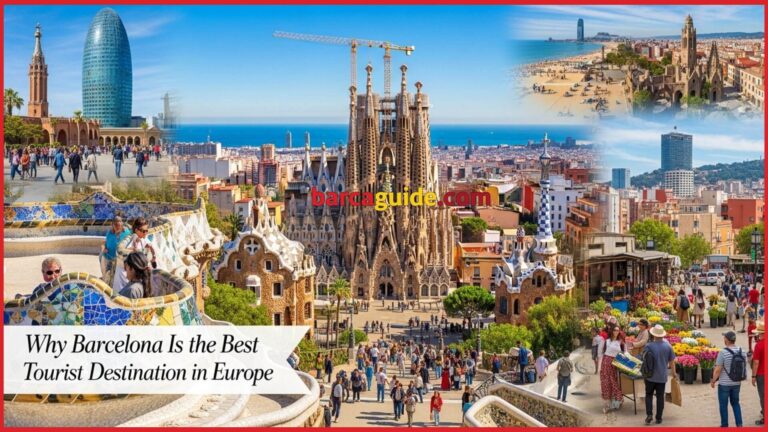
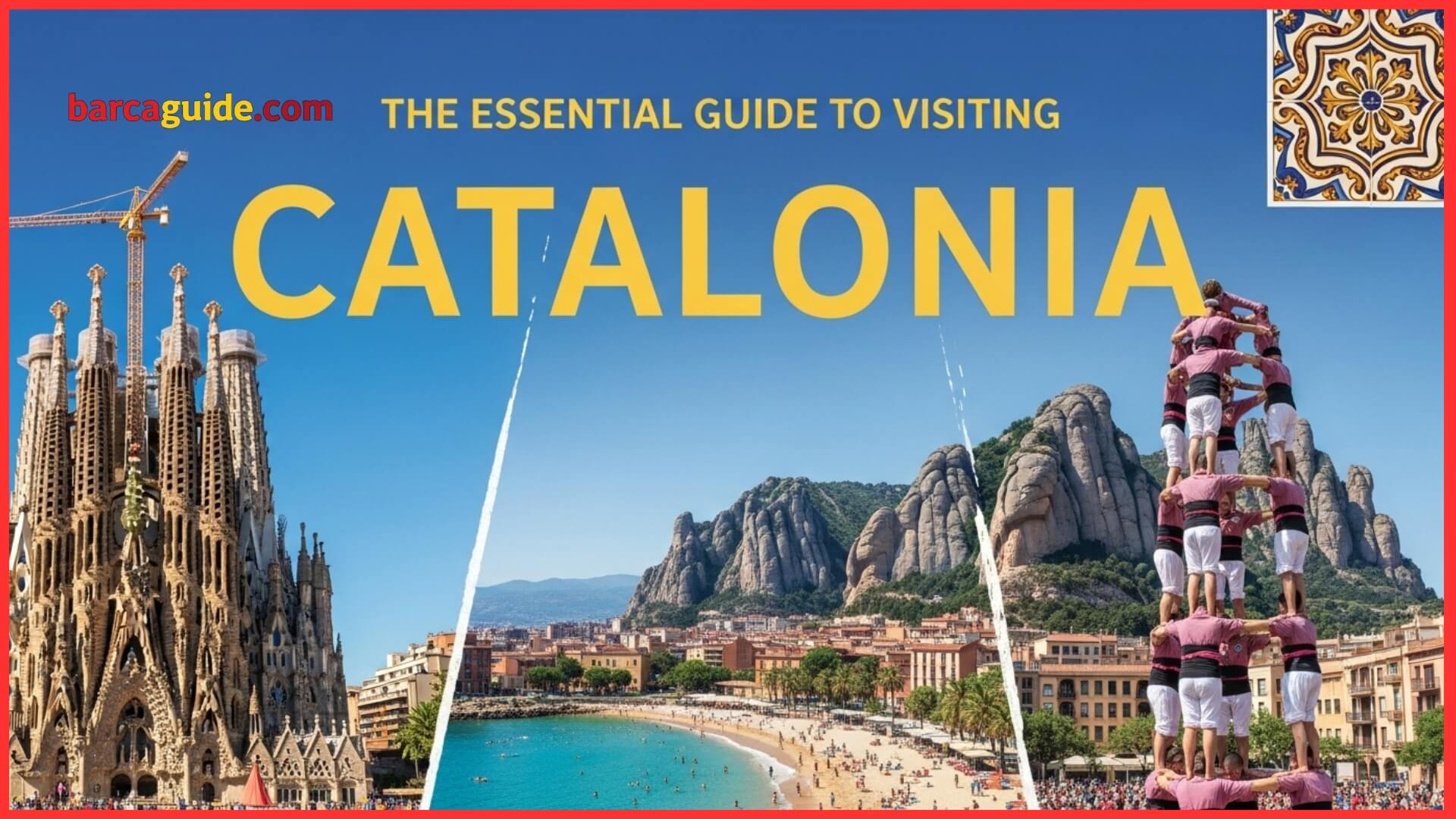
The Gaudí Greatest Hits: Start with the Sagrada Família – yeah, it’s still not finished after 140+ years, but it’s mind-blowing anyway. Then hit Park Güell for those Instagram-worthy mosaics and city views. Casa Batlló and Casa Milà (La Pedrera) are both on Passeig de Gràcia, so knock ’em out together.
The Gothic Quarter: Get lost here on purpose. Medieval streets, random plazas, cute cafes – it’s the anti-Instagram part of Barcelona and honestly more charming for it.
La Boqueria Market: Skip the touristy breakfast spots and come here instead. Fresh juice, jamón, weird fruits you’ve never seen – it’s sensory overload in the best way.
Pro tip: Barcelona has actual beaches right in the city. Barceloneta gets crowded, but it’s there if you need a quick dip between sightseeing.
Costa Brava: Where the Magic Happens
The “Wild Coast” totally lives up to its name. This stretch from just north of Barcelona all the way to France is dotted with fishing villages, hidden coves, and crystal-clear water.
Tossa de Mar still has its medieval castle walls and feels like you’ve time-traveled. Cadaqués is where Dalí hung out (wonder why), and it’s got that white-washed, artsy vibe. The smaller you go, the better – places like Calella de Palafrugell are basically perfect.
Want a secret? The cales (coves) between towns are where locals actually swim. Park, hike down a trail, and boom – your own private beach. Well, almost.
Girona: The Underrated Winner
Only 40 minutes from Barcelona by train, and way fewer tourists. The old Jewish Quarter is hauntingly beautiful, the cathedral is spectacular, and you can walk the ancient city walls for killer views.
Game of Thrones nerds: Yeah, they filmed here. Now you know.
Tarragona: Ancient Rome, Mediterranean Edition
If you’re into history, Tarragona’s got some of the best-preserved Roman ruins outside of Italy. The amphitheater literally sits right on the beach – the Romans knew what they were doing with location scouting.
The nearby Poblet Monastery is another UNESCO site and feels like stepping into the Middle Ages. In a good, not-plague-y way.
Festivals That’ll Make You Rethink Everything
La Mercè (September)
Barcelona basically shuts down for a week of non-stop partying in honor of its patron saint. But this isn’t just drinking in the streets (though there’s that too).
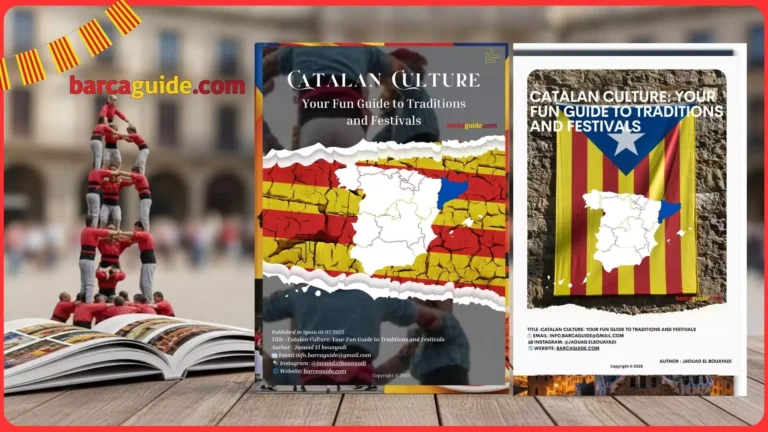
Castellers are the human tower builders, and watching them is genuinely nerve-wracking. Teams of people climb on each other’s shoulders to build towers 6-10 levels high, with a little kid at the top. It’s part acrobatics, part teamwork, part “how is this even possible?”
Correfoc translates to “fire run,” which should tell you everything. People dressed as devils run through the streets with fireworks. You can join in (wear cotton, not synthetics – learned that the hard way) or watch from a safe distance.
Everything’s free, by the way. Barcelona doesn’t mess around with its biggest party.
Sant Jordi Day (April 23)
This is basically Valentine’s Day, but make it Catalan and way better. The tradition is that guys give roses, girls give books (though nowadays everyone gives both because equality and books are awesome).
Every street is filled with book and flower stalls. Authors do signings. The whole city smells like roses. It’s ridiculously romantic and literary at the same time.
Patum de Berga (Corpus Christi)
If you like your festivals weird and ancient, head to Berga for this UNESCO-listed celebration. Giant papier-mâché figures, fireworks, devils, and dragons fill the streets in a tradition that dates back to medieval times. It’s chaotic, loud, and absolutely unforgettable.
Food: Prepare Your Stretchy Pants
Catalan food is the reason I can never fully leave this region. It’s Mediterranean, but with its own personality – think fresh seafood, mountain ingredients, and combinations that sound weird but work perfectly.
The Greatest Hits
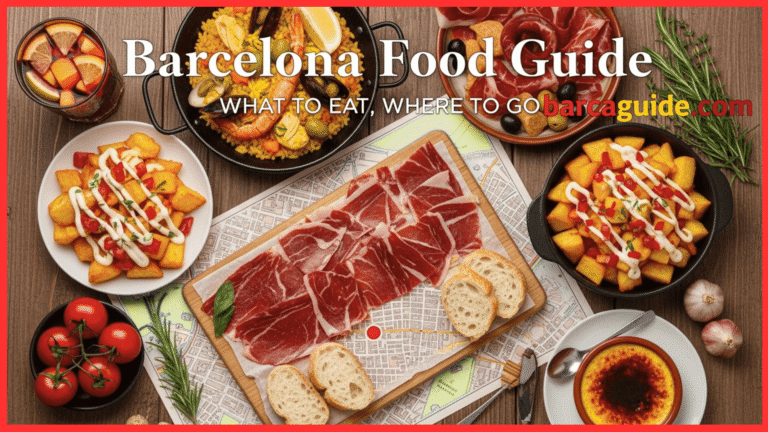
Pa amb tomàquet – Bread with tomato, garlic, olive oil, and salt. Sounds basic, tastes like heaven. You’ll eat this with basically every meal.
Calçots – These are like spring onions’ cooler cousins. They’re grilled until charred, you peel off the burnt layer with your bare hands (getting messy is part of the experience), and dip them in romesco sauce (ground almonds, tomatoes, peppers – it’s nutty and amazing).
Calçotadas are whole events built around eating these things, usually happening from January through March. It’s social, it’s fun, and you’ll definitely need a bib.
Butifarra amb mongetes – Catalan sausage with white beans. Comfort food at its finest.
Mar i muntanya – “Sea and mountain,” which means seafood and meat in the same dish. Sounds wrong, tastes so right. Chicken with prawns? Trust it.
Crema catalana – Like crème brûlée’s slightly cooler Spanish cousin, flavored with lemon and cinnamon.
Where to Eat
Markets are your friend. La Boqueria in Barcelona, yes, but also local markets in smaller towns where tourists haven’t found yet. Grab ingredients for a picnic, or just graze from stall to stall.
For sit-down meals, look for menú del día (menu of the day) – three courses plus wine for €12-15. It’s how locals eat lunch, and the quality is usually way better than tourist restaurants charging triple.
Nature Stuff for When You Need a Break from Cities
Congost de Mont-Rebei
Catalonia’s answer to the Grand Canyon, though smaller and arguably more dramatic. The hike takes about 5 hours round trip, and parts of it involve walking on paths carved into cliff faces. Not for the faint of heart, but the views are absolutely insane.
You can also kayak through the gorge if hiking isn’t your thing.
Aigüestortes National Park
Up in the Pyrenees, this park has the kind of scenery that makes you understand why people write poetry about mountains. Lakes, valleys, old Romanesque churches – it’s proper hiking territory.
Winter? It turns into ski country. This place has range.
Cap de Creus
Where the Pyrenees meet the Mediterranean in a dramatic finale of rocky cliffs and hidden trails. The landscape is wild and windswept, which explains why Dalí was obsessed with it.
The nearby Aiguamolls wetlands are perfect if you’re into birdwatching or just want something flat and peaceful after all those hills.
The Art Scene is Unreal
Gaudí Everywhere
Barcelona is basically an open-air Gaudí museum. His stuff is weird, organic, colorful, and completely unlike anything else in architecture. Even if you’re not usually into buildings, you’ll find yourself staring at his work, wondering, “how did he even think of this?”
The Sagrada Família is still being built using his original designs (completion date: maybe 2026?). It’s simultaneously a construction site and a masterpiece.
Dalí’s World
The Theatre-Museum in Figueres is where Dalí’s surrealist genius really shines. It’s trippy, it’s weird, it’s exactly what you’d expect from a guy who walked an anteater on a leash.
His house in Cadaqués is worth the trip too – small, intimate, and gives you a peek into how he actually lived and worked.
Medieval Towns
Places like Besalú, Pals, and Castellfollit de la Roca look like movie sets, except they’re real and people actually live there. Stone streets, ancient bridges, the whole medieval deal. They’re perfect for wandering without a plan and discovering random cafes in 800-year-old buildings.
Getting Around: The Practical Stuff
Flying In
Barcelona El Prat Airport is the main gateway, with flights from basically everywhere. Girona Airport is smaller but works great if you’re heading straight to Costa Brava or northern Catalonia.
Both airports have good bus and train connections to the cities.
Moving Around
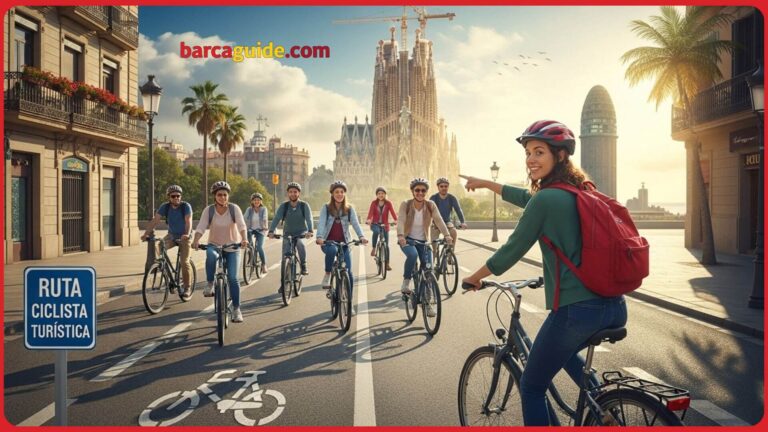
In Barcelona: The metro is your best friend. Cheap, clean, efficient, and covers everything you need. Get a T-10 ticket (10 rides you can share) and you’re set. There are also buses, trams, and over 200 km of bike lanes if you’re feeling adventurous.
Between cities: Trains connect Barcelona, Girona, Tarragona, and other main cities easily. It’s comfortable and way less stressful than driving.
For remote areas: Rent a car. Some of the best spots (tiny medieval villages, secret beaches, mountain hikes) just aren’t reachable by public transport.
When to Go
May-September is peak season – warm weather, beach vibes, but also peak crowds and prices. July and August get HOT and packed.
April or October might be the sweet spot: good weather, fewer tourists, and you might catch Sant Jordi Day (April) or the tail end of festival season (October).
Winter works if you’re into skiing or just prefer cities without the crowds. Barcelona in December is actually pretty magical, though you can forget about swimming.
Speaking the Language
Here’s the thing: Catalan is the main language here, not Spanish. Most people speak both, plus English, in touristy areas, so you’ll survive. But Catalans are proud of their language and culture – learning a few words shows respect and gets you bonus points.
Basic Spanish helps everywhere. Download a translation app just in case.
Hidden Gems You Probably Haven’t Heard About
Montserrat
That weird jagged mountain you can see from Barcelona? Yeah, there’s a monastery up there. It’s less than an hour away, accessible by train + cable car or rack railway, and the views are absolutely worth it. The mountain formations look like they were designed by someone on something strong.
Plus, if you’re lucky, you’ll hear the boys’ choir singing. It’s hauntingly beautiful.
Medieval Village Tour
Skip the typical tourist path and explore Besalú (medieval bridge, Jewish heritage, cobblestone everything) or Pals (one-hour loop through ancient streets that feel frozen in time). These places give you authentic Catalonia without the crowds.
Delta de l’Ebre
Way down south, this massive wetland is basically Catalonia’s Louisiana. Flamingos, rice paddies, and some of the best seafood rice dishes you’ll ever eat. The arròs del senyoret (rice with peeled seafood) here is legendary.
It’s totally different from the rest of Catalonia and worth the detour if you have time.
Quick Tips Before You Go
Budget: Catalonia can work for backpackers or luxury travelers. Barcelona’s pricier than smaller towns, but you can find deals if you plan ahead. Eating menú del día and staying in pensiones or Airbnbs keeps costs down.
Cultural tip: Don’t call it Spain if you’re trying to win friends. Catalans see themselves as, well, Catalan. Their language, traditions, and identity are distinct. Just roll with it and respect the culture.
Sustainable travel: The public transport is genuinely good and focuses on clean energy. Barcelona’s bike system rocks. Walking is great in most places. You really don’t need a car unless you’re going rural.
Timing: Book ahead for major festivals (La Mercè, Sant Jordi). Gaudí sites sell out, especially Sagrada Família – buy tickets online in advance.
What to pack: Layers. The weather can swing wildly, especially if you’re going from coast to mountains in one day. Comfortable shoes are non-negotiable – these cities are built for walking.
Catalonia isn’t just Barcelona with some beaches attached. It’s a whole region with serious personality – proud, creative, delicious, and stunning in about a dozen different ways.
You could spend weeks here and barely scratch the surface. Medieval villages, Roman ruins, Modernist masterpieces, festivals where people breathe fire and build human pyramids, food that’ll ruin you for other cuisines, and landscapes that range from mountain peaks to secret Mediterranean coves.
Basically, come for the Gaudí, stay for literally everything else. Just don’t say I didn’t warn you when you start looking up long-term rental prices.